 Leveraging cognitive neuroscience for making and breaking real-world habits
Read the paper →
Leveraging cognitive neuroscience for making and breaking real-world habits
Read the paper →
My research investigates the functioning of the brain's habit system. I use experimental and neuroscientific methods to advance our understanding of how and when habits are formed, how they can be broken, and how habit mechanisms contribute to compulsive behaviours.
My aim is to inform our understanding of behavior change in order to help people build healthier routines and overcome patterns that work against them. This includes everyday behaviors such as exercise, diet, or technology use. It also applies to clinical contexts, where rigid habits are a core feature of conditions like OCD and substance use disorders.
Leveraging cognitive neuroscience for making and breaking real-world habits
Read the paper →
 How to become the person you want to be
Read the guide →
How to become the person you want to be
Read the guide →
Current Research Themes
Habit Formation & Automatisation
How does a deliberate action transform into an automatic habit?
I investigate the neural architecture of habit formation in stable environments, focusing on the transition from goal‑directed to stimulus‑driven control. Using electroencephalography (EEG) and neural decoding, I track how the brain’s representations of these two systems change. I also work to identify the key factors capable of accelerating the habit formation process.
Habit Expression & Control
Once a habit takes root, how is it triggered, and what does it take to stop it?
I examine the brain mechanisms underlying the expression and suppression of established habits. By isolating time‑resolved neural signatures, I map the precise interplay between stimulus‑driven habit activation and the goal‑directed control required to override inappropriate responses.
Habits of Thought
Can beliefs and goals become habitual too?
Challenging the traditional view of habits as purely rigid stimulus–response links, my work demonstrates that expectancies and valued outcomes can become rigid too. I investigate how seemingly habitual behavior may instead arise from the rapid retrieval of these well-established mental representations of beliefs and goals — what I call “habits of thought”.
Clinical Applications
Why do certain behaviors become rigid and resistant to change in some individuals, but not others?
To answer this, I investigate how habit mechanisms drive compulsivity. My current work spans diverse clinical populations, including people with obsessive‑compulsive disorder (OCD), Tourette syndrome (TS), and body‑focused repetitive behaviors (BFRBs).
2025
2024
2023
2022
2021
2018
2016
* denotes shared first-authorship
Press




Writing

Speaking

Breaking the Habit Loop: How Our Brains Build—and Battle—Behavior Patterns
Food Junkies
Listen to episode →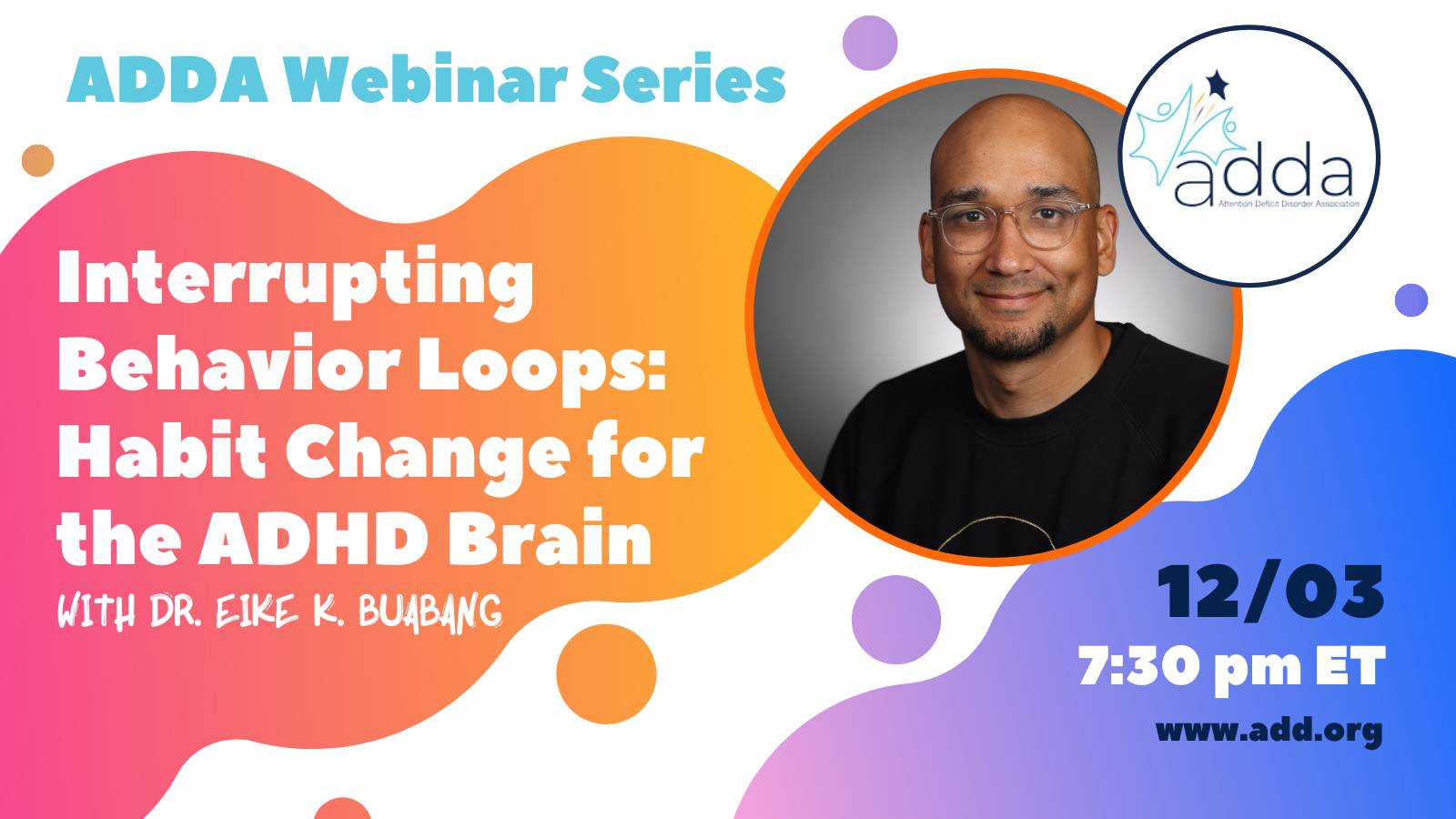
Interrupting Behavior Loops: Habit Change for the ADHD Brain
Attention Deficit Disorder Association
Watch webinar →